Fall 2026 Page 3
FLORA AND FAUNA
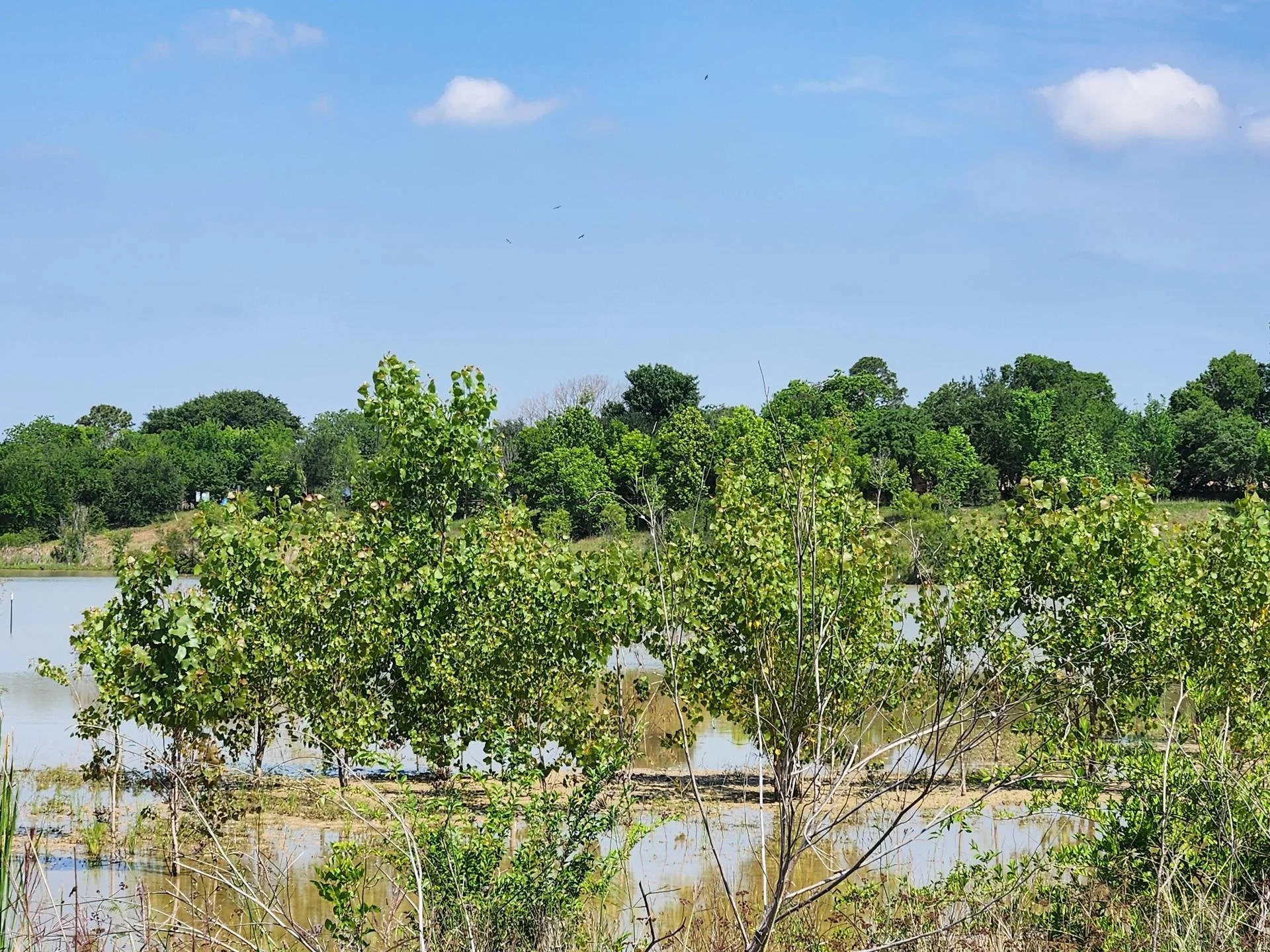
Cottonwood Tree
Physical Characteristics
Cottonwoods are impressive hardwood trees that typically grow between 50 and 80 feet tall, with some reaching heights of more than 100 feet. Their distinctive triangular leaves are attached by a flattened stem (petiole), causing them to flutter gracefully in the breeze and turn a brilliant yellow each fall.
Reproduction
Cottonwoods are dioecious, meaning male and female flowers grow on separate trees. Only female trees produce the familiar cotton-like seeds, which are carried by the wind and often resemble drifting snow. This natural adaptation allows cottonwoods to spread and establish themselves in new areas with ease.
Why They Matter
Cottonwoods play an important role in healthy ecosystems. Their roots help stabilize riverbanks and reduce erosion, while their fallen leaves enrich the soil. They also provide food and shelter for birds and other wildlife, and their shade helps keep nearby streams cooler, benefiting aquatic life.
Source: https://leafyplace.com/cottonwood-trees-facts-types
Freshwater Mussels:
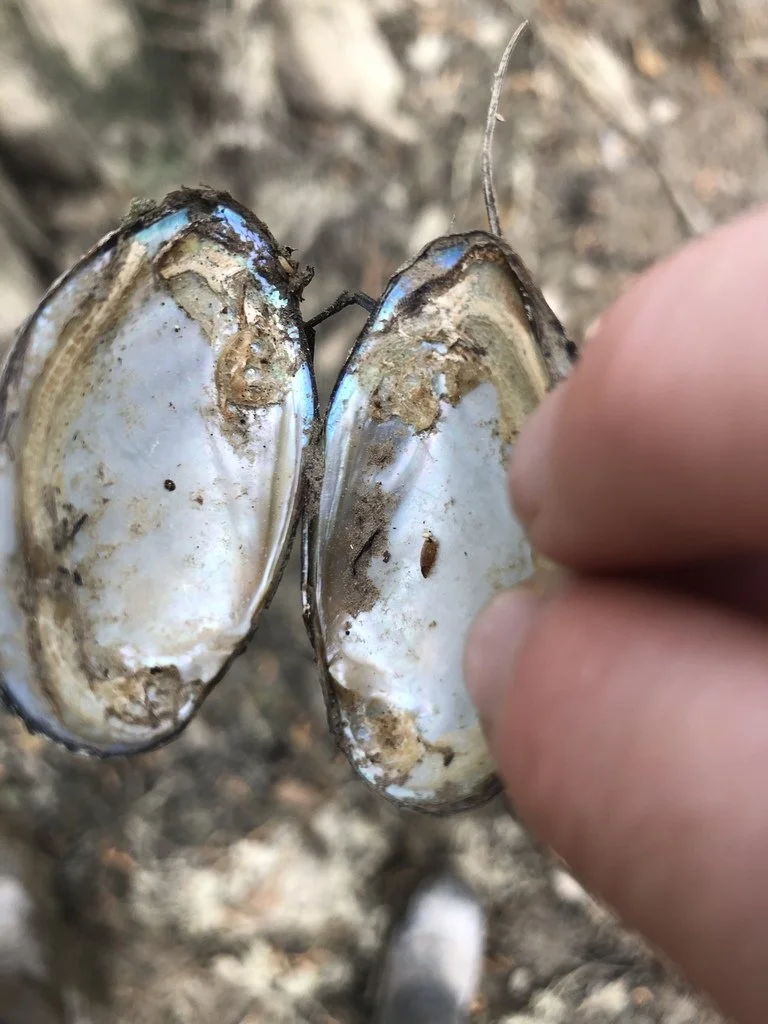
Little Bivalves, Big Impact at Willow Waterhole
Freshwater mussels often go unnoticed, quietly resting in the sediment of our lakes, but they are vital ecosystem engineers. They shape water quality, create habitat, support biodiversity, and their presence tells us a great deal about the health of an ecosystem. (xerces.org)
Despite their hard shells, mussels are an important food source for fish, raccoons, otters, and some birds, especially during their juvenile stage. Their life cycle is equally fascinating: mussel larvae, called glochidia, must temporarily attach to specific host fish, such as sunfish and bass, before developing into adults. Without these fish, mussels cannot complete their life cycle, making them especially vulnerable to environmental change. (pnwmussels.org)
Mussels quietly provide a remarkable range of benefits. They filter algae and other particles from the water, recycle nutrients, create habitat for algae, invertebrates, and small fish, and serve as important indicators of water quality. In fact, a single adult mussel can filter several gallons of water each day. (sciencedirect.com)
Texas is home to dozens of freshwater mussel species, many found nowhere else. At Willow Waterhole, we are working to improve conditions for these remarkable creatures by keeping our water clean, reducing sediment, supporting diverse fish populations, and creating stormwater-friendly habitats. Healthy mussels mean a healthier lake and a stronger, more resilient ecosystem. (usgs.gov)
Osprey
If you hear a loud, musical chirping while walking at Willow Waterhole, it is probably an osprey.
About this unique bird:
The Osprey resembles an adult Bald Eagle, with a blackish upper body and white head, but it can be distinguished by its broad black eye stripe and blackish tail with faint pale bands.
Adult males and females have nearly identical plumage with unmarked upper wings, though males tend to have less streaking on the chest than females. Adult Ospreys also have striking yellow eyes.
Ospreys prey almost exclusively on fish. They actively search and hover over waterways until they spot a fish close to the surface, then plunge feet-first into the water to seize medium-sized, and sometimes surprisingly large, fish with their powerful talons.
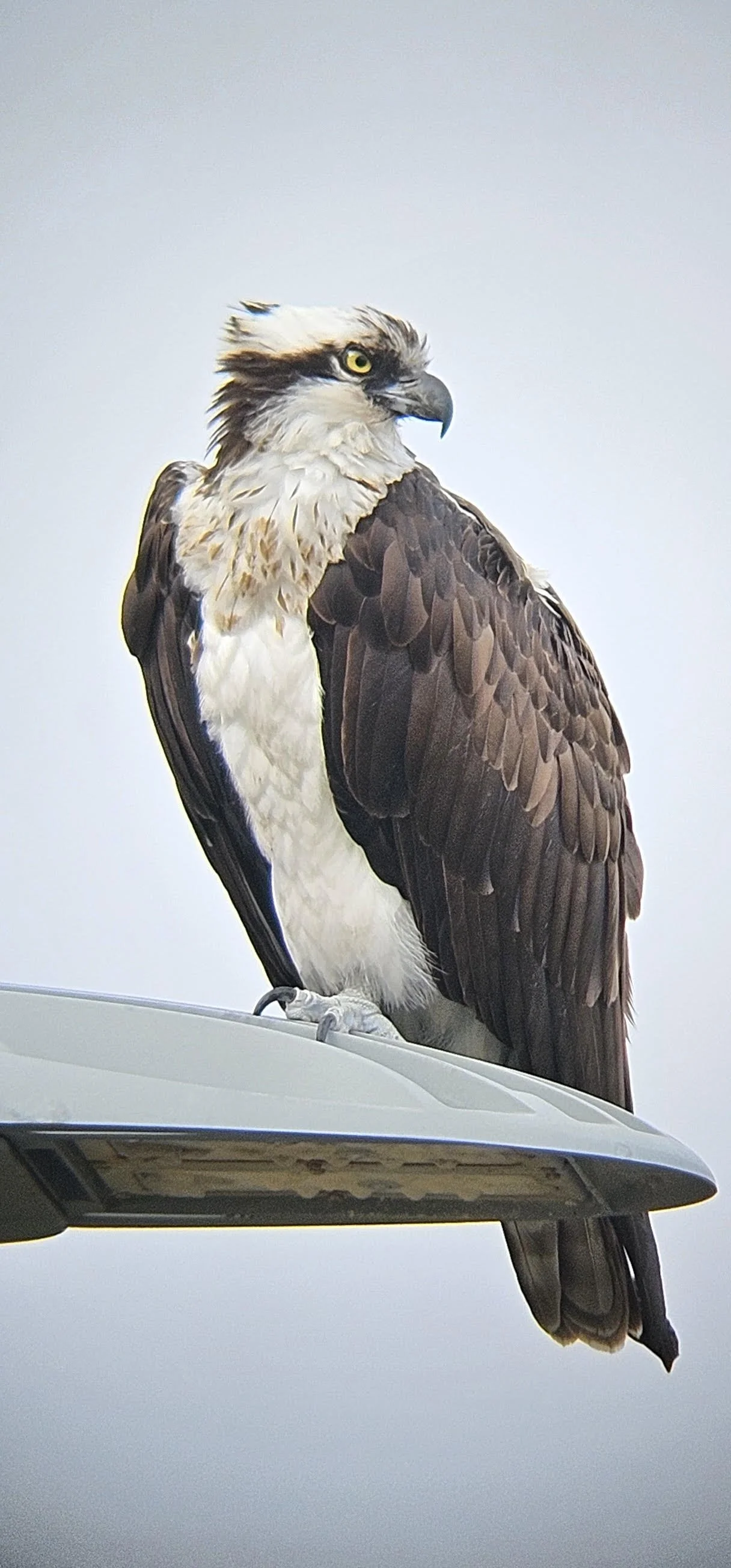
Photo Source: Mark Meyer
Coming Soon:
Aerators in the Lakes
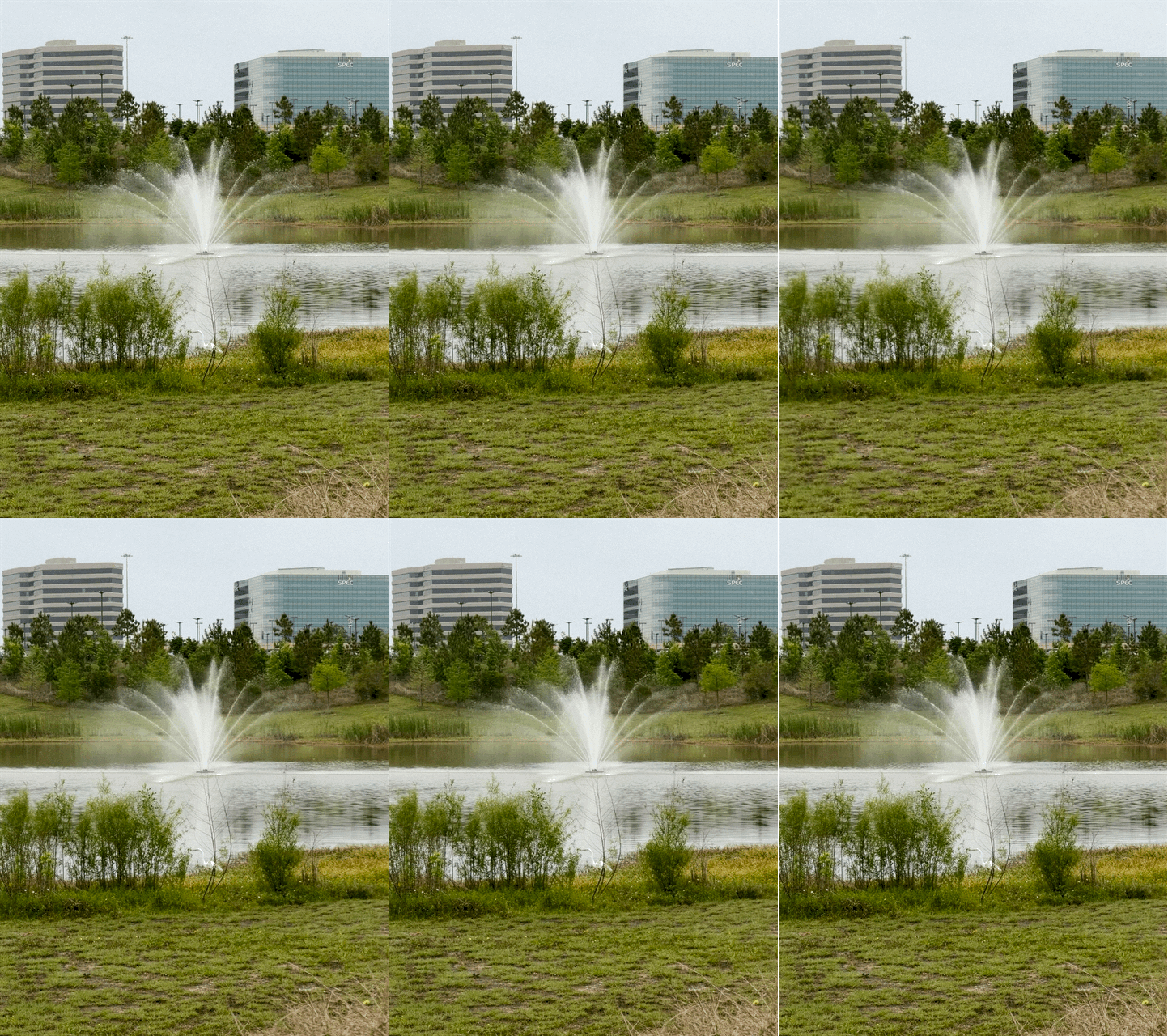
A project to install twelve aerators throughout the lakes at Willow Waterhole Greenway will soon be underway. As shown in the beautiful photo below, these aerators will increase oxygen levels in the water, creating a healthier aquatic habitat, and supporting a stronger fish population.
The Greenway was selected by the Harris County Flood Control District as the pilot site for this initiative, reflecting its reputation as a model of successful environmental stewardship. According to Melissa Meyer, Engineer and Program Director at HCFCD, "I am in awe of how great the Greenway has become."
STAY CONNECTED
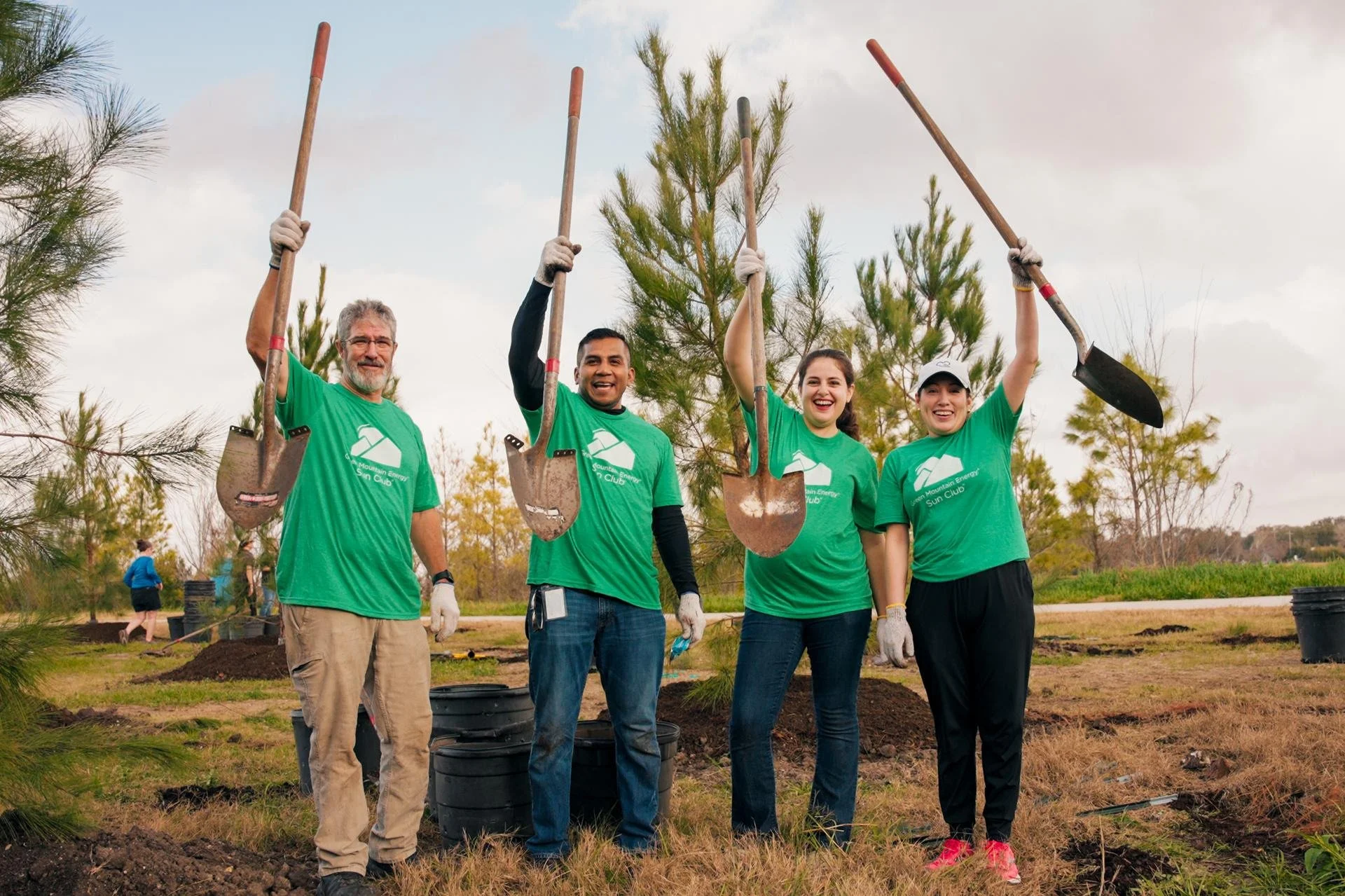
Your support keeps Willow Waterhole growing! Every dollar and every volunteer hour makes a difference. Whether you're ready to dig in or give back, we invite you to be part of what's next.